


Anodizing Services: The Superior Choice for Metal Surface Treatment
 Jun 28, 2024|
 View:310
In today's highly competitive manufacturing market, product appearance and durability have become key factors that differentiate quality. As an advanced metal surface treatment technology, anodizing service provides excellent protective layer and decorative effects for aluminum and its alloy products. This article will take an in-depth look at the anodizing process, its benefits, application areas, and factors to consider when choosing anodizing services.
What is anodizing?
Anodizing is an electrochemical process that enhances the metal's corrosion resistance, wear resistance, and insulation by forming an aluminum oxide film on the aluminum surface. The process involves placing an aluminum piece as an anode in an acidic electrolyte and then applying an electric current, causing an oxidation reaction on the aluminum surface to create a porous aluminum oxide layer. The aesthetics and performance of the surface can then be further improved through a staining or sealing process.
Advantages of anodizing
Improve corrosion resistance: The generated aluminum oxide layer can effectively isolate the aluminum matrix from contact with the external environment, significantly improving the material's corrosion resistance.
Enhanced wear resistance: The hard-anodized surface has high hardness and can effectively resist wear and scratches.
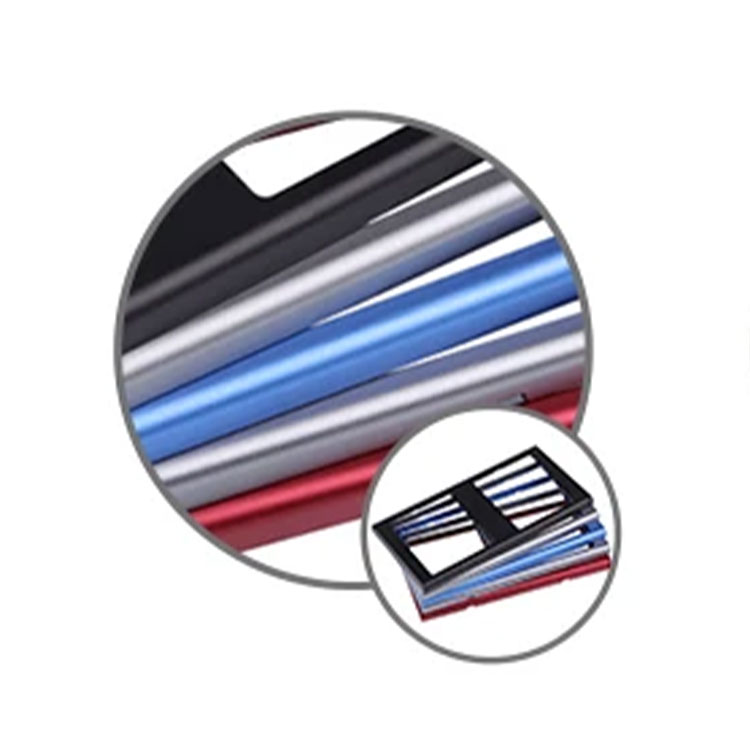
Improved appearance: The surface after anodization is smooth and even, and can be dyed to obtain a variety of colors to meet different design needs.
Improve adhesion: The porous structure of the anodized layer helps the coating adhere, laying a good foundation for the subsequent coating process.
Environmentally friendly and sustainable: Compared with other surface treatment technologies, fewer chemicals are used in the anodizing process, and most of them can be recycled, reducing the impact on the environment.
Application fields of anodizing
Anodizing services are widely used in the following areas:
Aerospace: Used in aircraft parts to provide lightweight and high-strength protection.
Automotive industry: used in automotive interior and exterior parts to improve appearance and weather resistance.
Architectural Decoration: Used in door and window frames, curtain walls, etc. to provide durability and modernity.
Consumer electronics: Used in mobile phone cases, laptop cases, etc. to provide a high-end feel and durability.
Sports equipment: Used in bicycle racks, skis, etc., providing lightness and durability.
Factors to consider when choosing anodizing services
When choosing anodizing services, you should consider the following factors:
Quality standards: Ensure that service providers can meet international or industry quality standards, such as ISO 9001, etc.
Process capability: Check whether the service provider has advanced anodizing production lines and experienced technical personnel.
Color and effect: According to the design needs of the product, choose a service provider that can provide a variety of colors and surface effects.
Delivery cycle: Evaluate the service provider's production capacity and delivery time to ensure that the project progress requirements are met.
Cost-effectiveness: Compare quotes from different service providers, combine quality and service levels, and make an economically reasonable choice.
Conclusion
Anodizing services not only enhance the appearance and performance of aluminum products, but also provide manufacturers with a competitive advantage. As technology continues to develop, the anodizing process is becoming more efficient and environmentally friendly. Choosing a reliable anodizing service provider will help ensure the high quality of the product while meeting the market's dual needs for aesthetics and functionality. In the future, anodizing technology will continue to play an important role in various industries and promote innovation and development in the manufacturing industry.


