


Machining metal parts – what is this process?
 Sep 06, 2024|
 View:259
Machining metal parts is a fundamental process in the manufacturing industry, where raw metal is shaped and formed into precise components through various mechanical methods. This process is essential for producing a wide array of products, from automotive parts to aerospace components and industrial machinery. The following article provides an in-depth look at the machining process, its techniques, applications, and the factors that contribute to its importance in modern manufacturing.
Understanding Machining Metal Parts
Machining is a subtractive manufacturing process in which material is removed from a workpiece to create or reveal a desired shape and size. This is achieved through the use of cutting tools that are sharper than the workpiece material. The process can be performed on a variety of metal materials, including steel, aluminum, titanium, and alloys.
Types of Machining Processes
There are several common machining Metal Parts processes used in the industry, each with its own set of applications and capabilities:
Turning: This process involves a rotating workpiece and a cutting tool that moves linearly along its axis. It is commonly used for creating cylindrical parts.
Milling: Milling uses a rotating multi-toothed cutter to remove material from the workpiece. It is versatile and can create a wide range of geometries, from flat surfaces to complex contours.
Drilling: As the name suggests, drilling is the process of creating holes in a workpiece. This can be done with a variety of drill bits, depending on the size and shape of the hole required.
Boring: Similar to drilling, boring is used to enlarge existing holes with high precision, often to achieve very tight tolerances.
Grinding: This Machining metal parts process uses an abrasive wheel to remove material and achieve a high level of surface finish. It is often used for finishing operations after other machining processes.
CNC Machining: Computer Numerical Control (CNC) machining is a method where the movements of the machine tools are controlled by a computer. This allows for complex shapes and patterns to be machined with high precision and repeatability.
Applications of Machining metal parts
Machining is used across various industries for different applications:
Automotive Industry: Machining is essential for producing engine components, transmission parts, and chassis elements.
Aerospace: The precision and strength requirements of aerospace components make machining a critical process in this industry.
Medical Devices: The manufacturing of medical instruments and implants often requires the use of precise machining techniques.
Industrial Machinery: Components for industrial equipment, such as gears, bearings, and housings, are often machined from metal.
Consumer Goods: Many everyday items, from kitchen appliances to electronics, contain machined metal parts.
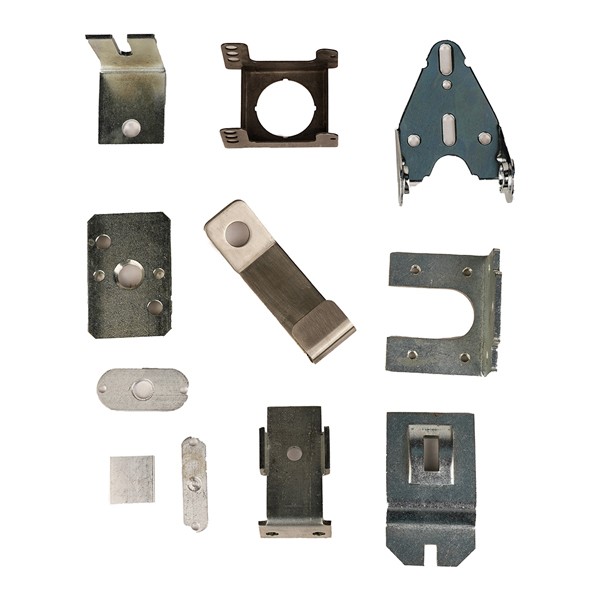
Advantages of Machining Metal Parts
Precision: Machining can produce parts with very tight tolerances, ensuring a high level of accuracy and consistency.
Complexity: The process is capable of creating complex geometries that may not be possible with other manufacturing methods.
Material Selection: A wide range of metal materials can be machined, allowing for the selection of the most appropriate material for a given application.
Customization: Machining allows for the production of custom parts, which can be tailored to specific customer requirements.
Durability: Metal parts produced through machining are generally strong and durable, able to withstand the demands of various applications.
Challenges in Machining metal parts
Despite its advantages, machining also presents certain challenges:
Cost: Machining can be a capital-intensive process, requiring expensive machinery and skilled operators.
Time Consumption: The machining process can be time-consuming, especially for complex parts, which may impact production timelines.
Waste Generation: As a subtractive process, machining generates waste material, which needs to be managed and disposed of responsibly.
Tool Wear: Cutting tools can wear out over time, requiring regular maintenance and replacement.
Future of Machining
The future of machining is likely to involve increased automation, improved materials, and the integration of advanced technologies such as artificial intelligence and robotics. These advancements have the potential to increase efficiency, reduce costs, and further enhance the precision and capabilities of machining processes.
Machining metal parts is a critical process in the manufacturing of a vast array of products. It offers a high degree of precision and the ability to create complex geometries, making it indispensable for many industries. As technology continues to evolve, so too will machining, ensuring that it remains a vital component of modern manufacturing for years to come.


