


Why are custom machined parts so expensive?
 Jul 17, 2024|
 View:654
In the world of manufacturing, custom machined parts are often viewed as a luxury due to their high cost. However, this perception is not unfounded. Custom machined parts are indeed more expensive than their mass-produced counterparts, and there are several reasons for this. Here, we explore the primary factors that contribute to the cost of custom machined parts.
1. Material Costs
The first and most obvious factor is the cost of materials. Custom parts often require specialized materials that are not used in standard production. These materials can be more expensive due to their unique properties, such as strength, durability, or resistance to certain conditions. Additionally, the cost of raw materials can vary significantly based on their availability and the market.
2. Tooling and Setup
custom machined parts require unique tooling and setups that are not needed for standard parts. This includes the design and manufacturing of custom jigs, fixtures, and molds. The initial investment in tooling can be substantial, and these costs are often passed on to the customer.
3. Design and Engineering
The design and engineering process for custom parts is inherently more complex and time-consuming than for standard parts. Engineers must create detailed designs that meet specific customer requirements, which can involve extensive research, testing, and iteration. This process requires skilled professionals and sophisticated software, both of which add to the cost.
4. Production Complexity
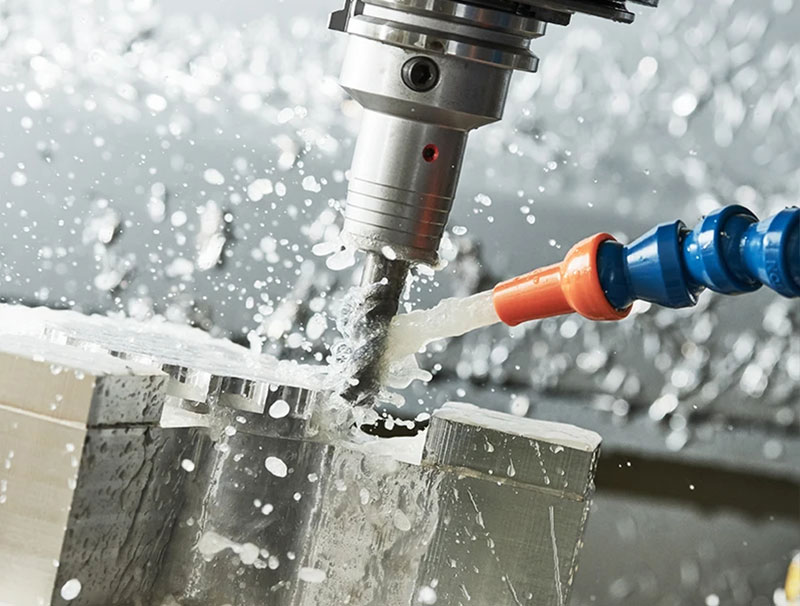
The production of custom machined parts is often more complex than that of standard parts. Customization can involve intricate machining processes, such as milling, turning, drilling, and grinding, which are performed on high-precision CNC machines. The complexity of these processes increases the time and labor required, thereby increasing the cost.
5. Smaller Production Runs
Custom parts are typically produced in smaller quantities than standard parts. Economies of scale, which reduce the cost per unit as production volume increases, do not apply to custom parts as they do to mass-produced items. The cost per part remains high due to the limited production run.
6. Quality Assurance and Testing
Ensuring the quality of custom parts often requires additional testing and quality assurance measures. Each part may need to be inspected and tested to verify that it meets the customer's specific requirements. This adds to the cost and time of production.
7. Expertise and Skill
The production of custom parts often requires a higher level of expertise and skill than standard parts. Skilled machinists and engineers are needed to handle the complexities of custom work, and their expertise comes at a premium.
8. Post-Processing
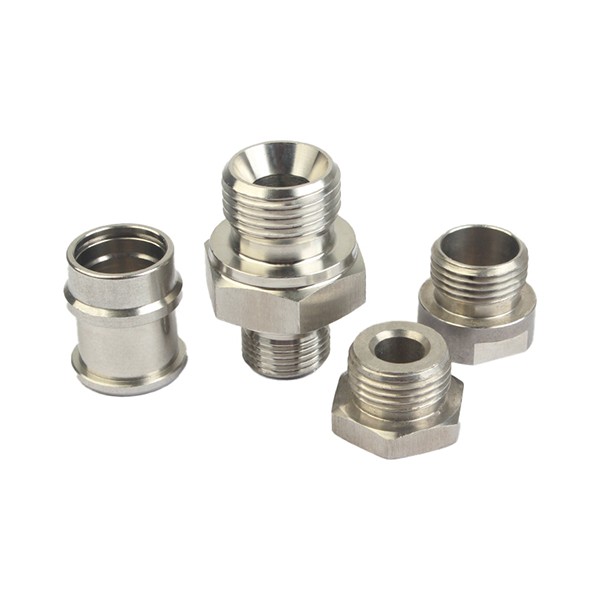
After machining, custom parts may require additional post-processing, such as heat treatment, surface finishing, or assembly with other components. These processes add to the overall cost of the part.
9. Lead Time
Custom parts often have a longer lead time than standard parts. The time required for design, tooling, production, and quality assurance can delay delivery, and customers may be willing to pay a premium for expedited service.
10. Intellectual Property and Licensing
In some cases, custom parts may involve proprietary technology or licensing fees, which can add to the cost. Companies may need to protect their intellectual property or pay for the rights to use specific technologies in their custom parts.
While the cost of custom machined parts may seem high, it is important to understand that this cost is driven by a variety of factors that are inherent to the customization process. From material selection to post-production processes, each step adds value and ensures that the final product meets the unique needs of the customer. As such, the premium price tag on custom parts is often justified by the specialized service and product quality they provide.


